Blog
Mild Steel vs Aluminum Fabrication: Which is Better for Your Needs?

Introduction
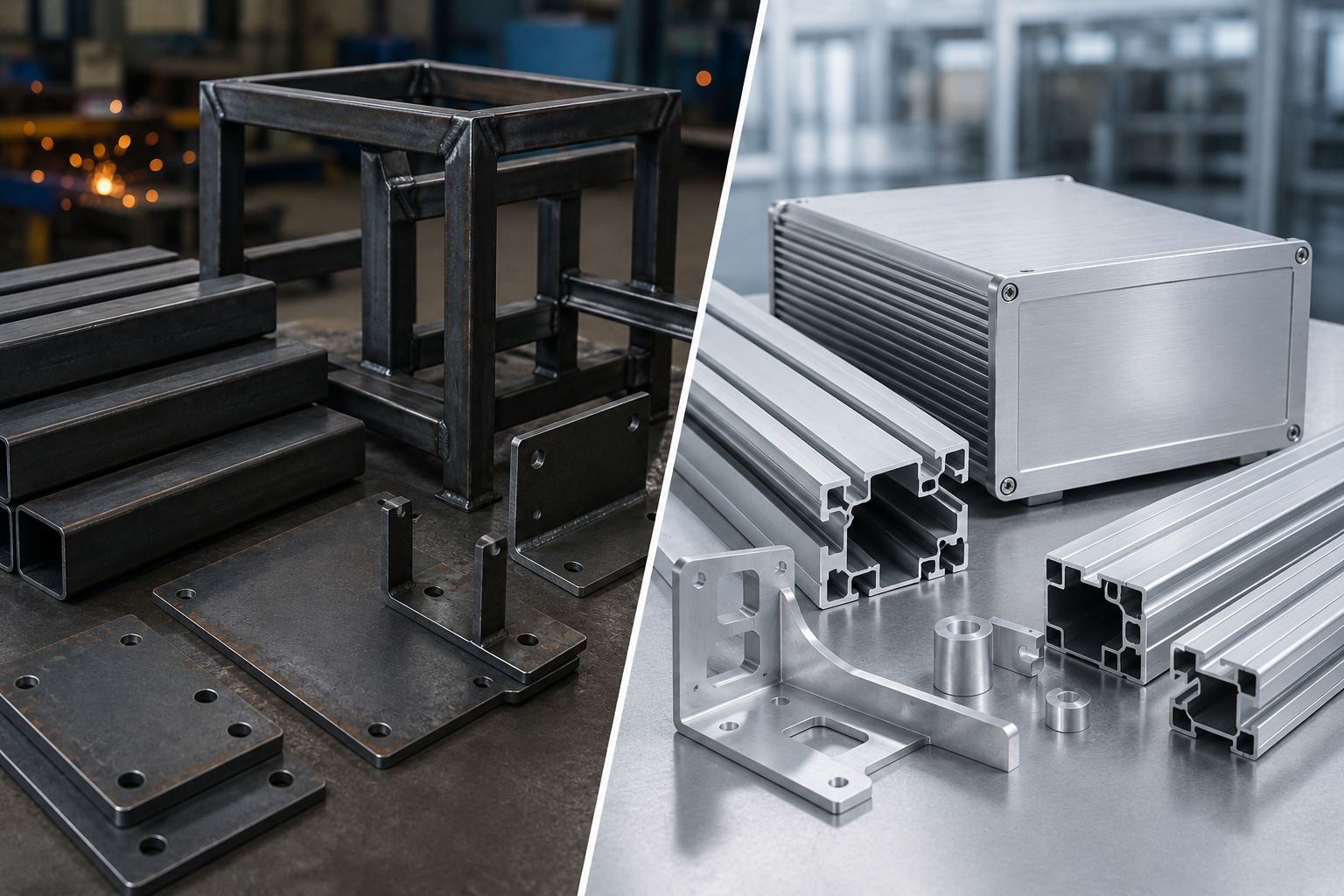
Choosing the right material is essential for the success of any fabrication project. Businesses often compare mild steel vs aluminum fabrication to determine which material offers better strength, durability, cost efficiency, and performance for their specific applications.
Both mild steel and aluminum are widely used in industrial, commercial, and manufacturing sectors. However, each material has unique properties that make it suitable for different environments and project requirements.
In this guide, we’ll compare mild steel and aluminum fabrication, explore their benefits, applications, and help you decide which material is the right choice for your business needs.
What is Mild Steel Fabrication?
Mild steel fabrication involves cutting, bending, welding, and assembling low-carbon steel into finished products or structures.
Mild steel is known for:
- High strength
- Durability
- Affordability
- Easy machinability
It is commonly used in:
- Industrial equipment
- Structural frameworks
- Storage systems
- Office furniture
- Machinery components
Mild steel is one of the most cost-effective materials used in fabrication.
What is Aluminum Fabrication?
Aluminum fabrication is the process of shaping and assembling aluminum sheets or components into finished products.
Aluminum is popular because it is:
- Lightweight
- Corrosion-resistant
- Flexible
- Easy to transport
It is widely used in:
- Automotive parts
- Aerospace applications
- Electrical enclosures
- Commercial interiors
- Architectural structures
Aluminum fabrication is preferred for projects requiring lightweight and corrosion-resistant materials.
Mild Steel vs Aluminum Fabrication: Key Differences
1. Strength & Durability
Mild Steel
Mild steel offers excellent strength and can handle heavy loads and industrial applications effectively.
Aluminum
Aluminum is durable but generally less strong than mild steel. However, it performs well in lightweight applications.
Mild steel is better for heavy-duty structural projects.
2. Weight Comparison
Mild Steel
Heavier and denser, making it suitable for robust industrial structures.
Aluminum
Much lighter than mild steel, making transportation and installation easier.
Aluminum is ideal for projects where weight reduction is important.
3. Corrosion Resistance
Mild Steel
Prone to rust if not properly coated or treated.
Aluminum
Naturally resistant to corrosion and oxidation.
Aluminum performs better in humid or outdoor environments.
4. Cost Comparison
Mild Steel Fabrication
Generally more affordable and cost-effective for large-scale industrial use.
Aluminum Fabrication
Usually more expensive due to higher material costs.
Mild steel is better for budget-conscious projects.
5. Fabrication & Machining
Mild Steel
Easy to weld, cut, and machine using standard fabrication techniques.
Aluminum
Requires specialized welding and handling processes.
Mild steel fabrication is often simpler and faster.
6. Appearance & Finish
Mild Steel
Can be powder-coated or painted for improved aesthetics and protection.
Aluminum
Offers a naturally modern and clean appearance.
Aluminum is commonly used in architectural and decorative applications.
Applications of Mild Steel Fabrication
Mild steel fabrication is commonly used in:
- Industrial storage systems
- Machinery frames
- Commercial furniture
- Structural supports
- Warehouse racks
It is ideal for applications requiring strength and durability.
Applications of Aluminum Fabrication
Aluminum fabrication is widely used in:
- Automotive components
- Aerospace structures
- Electrical enclosures
- Retail interiors
- Window and door frames
It is preferred for lightweight and corrosion-resistant solutions.
Advantages of Mild Steel Fabrication
High Strength
Suitable for heavy-duty industrial and structural applications.
Cost-Effective
Affordable material for large-scale fabrication projects.
Easy Fabrication
Simple welding and machining processes reduce production time.
Wide Availability
Mild steel is easily available in multiple grades and sizes.
Advantages of Aluminum Fabrication
Lightweight Material
Reduces transportation and installation costs.
Corrosion Resistance
Ideal for outdoor and moisture-prone environments.
Modern Appearance
Provides clean and premium aesthetics.
Recyclable Material
Environmentally friendly and sustainable.
Which One Should You Choose?
The right material depends on your project requirements, environment, and budget.
Choose Mild Steel Fabrication If:
- You need high structural strength
- Budget is a major consideration
- The project involves heavy-duty industrial applications
Choose Aluminum Fabrication If:
- Weight reduction is important
- The environment has high moisture exposure
- You need corrosion-resistant and modern-looking components
Evaluating performance, durability, and operational requirements will help you select the best fabrication material.
Final Thoughts
When comparing mild steel vs aluminum fabrication, both materials offer unique advantages depending on the application. Mild steel is known for strength, affordability, and heavy-duty performance, while aluminum stands out for lightweight construction, corrosion resistance, and modern aesthetics.
Choosing the right fabrication material can improve efficiency, reduce maintenance costs, and ensure long-term durability for your project. Businesses should carefully assess project goals, environmental conditions, and budget before making a final decision.
FAQs
1. What is the main difference between mild steel and aluminum fabrication?
Mild steel is stronger and more affordable, while aluminum is lighter and more corrosion-resistant.
2. Which is better for outdoor applications: mild steel or aluminum?
Aluminum is generally better for outdoor applications because it naturally resists corrosion and rust.
3. Is aluminum fabrication more expensive than mild steel fabrication?
Yes, aluminum fabrication is usually more expensive due to higher material costs and specialized processing.
4. Which material is stronger: mild steel or aluminum?
Mild steel is stronger and better suited for heavy-duty industrial and structural applications.
5. Where is aluminum fabrication commonly used?
Aluminum fabrication is commonly used in automotive, aerospace, architectural, and electrical applications.