

Blog
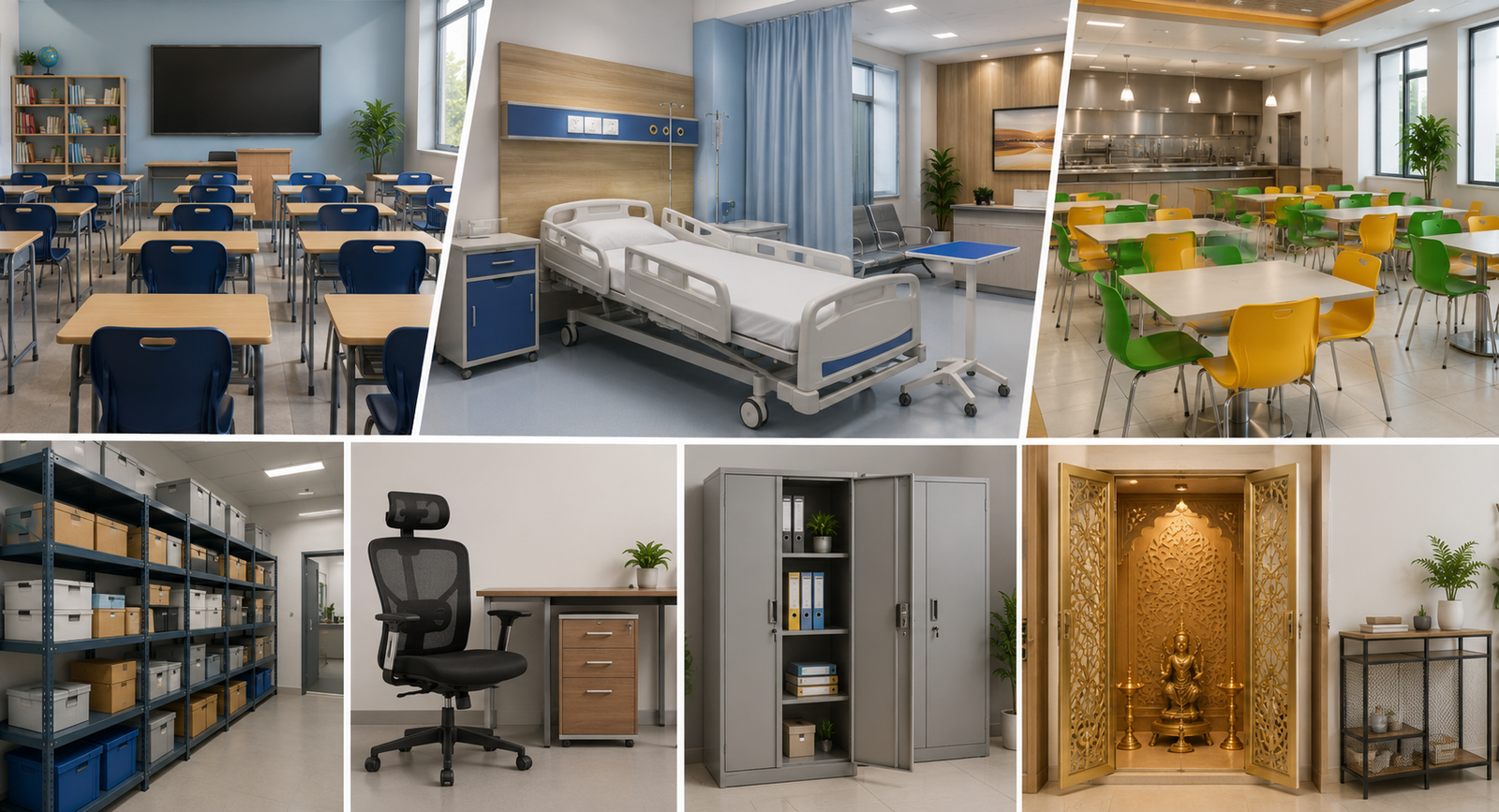
Choosing the Right Furniture for Schools, Hospitals, Cafeterias, and Storage Spaces

Choosing the Right Furniture for Schools, Hospitals, Cafeterias, and Storage Spaces
Furniture is an important part of every functional space. Whether it is a school, hospital, office cafeteria, storage room, commercial building, or institutional setup, the right furniture helps people work better, move safely, stay organized, and use the space more efficiently. Furniture should not be selected only based on appearance. It should be chosen based on purpose, durability, safety, comfort, maintenance, and long-term value.
Kalina focuses on creating furniture and fabrication solutions that support different types of spaces. From educational furniture and hospital furniture to cafeteria furniture, storage solutions, office chairs, and customized commercial products, each furniture category has its own requirements. Understanding these requirements helps businesses and institutions make better furniture decisions.
Why Purpose-Based Furniture Selection Matters
Different spaces have different needs. A classroom requires furniture that supports learning and student comfort. A hospital requires furniture that is durable, hygienic, and easy to maintain. A cafeteria requires furniture that can handle frequent use and cleaning. A storage space requires furniture that can carry weight and keep items organized.
If the wrong furniture is chosen, the space may become uncomfortable, unsafe, or inefficient. For example, weak storage racks may not support heavy materials. Poorly designed classroom furniture may affect student posture. Cafeteria furniture that is difficult to clean may create maintenance challenges. Hospital furniture that is not practical may slow down daily operations.
This is why furniture should be planned according to the purpose of the space.
Educational Furniture for Better Learning Environments
Educational furniture plays an important role in schools, colleges, training centers, and learning institutions. Students spend long hours in classrooms, laboratories, libraries, and activity spaces. The furniture should support comfort, focus, and proper learning conditions.
Classroom desks and chairs should be designed according to the age group and usage pattern. Younger students need furniture that is safe, comfortable, and easy to use. Older students may need larger desks, writing surfaces, and durable seating. In training centers and colleges, furniture may need to support laptops, books, writing materials, and long study sessions.
Important Features of Educational Furniture
Good educational furniture should be strong, safe, and practical. It should have smooth edges, stable structure, easy movement, and suitable height. It should also be easy to clean and maintain because classrooms are used daily by many students.
Storage is also important in educational spaces. Schools may need cupboards, shelves, lockers, library racks, laboratory storage, and staff room furniture. Proper storage helps maintain discipline and reduces clutter in learning environments.
Furniture in educational institutions should also support the overall design of the space. A well-organized classroom can improve student attention and make teaching easier.
Hospital Furniture for Function, Safety, and Hygiene
Hospital furniture has very specific requirements. It should be designed for comfort, hygiene, durability, and easy maintenance. Hospitals, clinics, diagnostic centers, and healthcare institutions need furniture that supports patients, doctors, nurses, visitors, and administrative staff.
Hospital furniture may include waiting area seating, doctor tables, examination furniture, storage cabinets, stainless steel units, patient-side furniture, administrative desks, and cafeteria furniture. Each item should be practical and easy to use in a healthcare environment.
Materials used in hospital furniture should be selected carefully. Stainless steel and other easy-to-clean materials are often preferred for areas where hygiene is important. Furniture should be strong enough to handle regular usage and should be designed to support smooth workflow.
Waiting Area and Reception Furniture
The waiting area is one of the first spaces visitors notice in a hospital or clinic. Comfortable seating, organized layout, and clean furniture can improve the patient experience. Reception counters should also be designed for both staff convenience and visitor interaction.
Good waiting area furniture should be durable, easy to clean, and comfortable for people of different age groups. The layout should allow easy movement and should not make the area feel crowded.
Cafeteria Furniture for Daily Use
Cafeterias are high-usage spaces. Whether in offices, schools, hospitals, factories, or commercial buildings, cafeteria furniture must be strong, easy to clean, and space-efficient. Since many people use cafeteria furniture every day, durability is extremely important.
Cafeteria tables and chairs should be arranged to allow smooth movement. The furniture should be stable and comfortable for short dining breaks. Materials should be selected based on maintenance needs. For example, surfaces should be easy to wipe and resistant to daily wear.
A well-designed cafeteria improves the user experience. It gives people a place to relax, eat, and interact. In workplaces, a good cafeteria can improve employee satisfaction. In schools, it creates a better dining environment for students. In hospitals, it supports staff, visitors, and patients’ attendants.
Storage Solutions for Organized Spaces
Storage is one of the most important but often overlooked parts of space planning. Every institution and business needs proper storage. Without it, even a well-designed space can become cluttered and difficult to manage.
Storage furniture may include shelves, cabinets, racks, lockers, cupboards, filing systems, and customized storage units. The design should depend on what needs to be stored. Office files, hospital supplies, school books, cafeteria materials, industrial tools, and commercial inventory all require different storage solutions.
Good storage furniture saves time, improves safety, and keeps the space clean. It also helps staff work more efficiently because items are easier to find and access.
Custom Storage for Special Requirements
Standard storage units may not always meet specific needs. Custom storage solutions can be designed according to available space, weight capacity, item size, access frequency, and design preference. For example, a school may need custom library racks, while a hospital may need stainless steel storage cabinets. A commercial office may need modular filing units, and a factory may need heavy-duty racks.
Custom storage improves space usage and helps create a cleaner layout. It also allows the storage design to match the overall interior style.
Office Chairs and Seating Across Spaces
Seating is required in almost every type of space. Offices need ergonomic chairs, hospitals need waiting chairs, schools need classroom chairs, cafeterias need dining chairs, and meeting rooms need conference seating. Each type of chair should be selected according to its purpose.
Durability and comfort are important in every seating category. Chairs should be stable, easy to maintain, and suitable for the users. For high-traffic areas, stronger materials and simple maintenance are especially important.
Brass Pooja Doors and Decorative Furniture Elements
In addition to functional furniture, some spaces require decorative and traditional elements. Brass pooja doors are a good example of furniture and fabrication that combines culture, beauty, and craftsmanship. Brass has a rich appearance and is often used in Indian interiors for pooja rooms, decorative panels, handles, and premium accents.
Brass elements can make a space feel elegant and traditional. They are suitable for homes, offices, institutions, and commercial interiors that want to include a cultural design touch. Proper fabrication and finishing are important to achieve a premium look.
Material Selection for Long-Term Performance
The life of furniture depends greatly on the material used. Wood, metal, laminate, stainless steel, aluminium, brass, and other materials all have different strengths. Choosing the right material depends on where the furniture will be used, how often it will be used, and how much maintenance is expected.
For high-usage spaces, strength and durability are important. For healthcare spaces, hygiene and cleaning are important. For educational spaces, safety and comfort are important. For decorative spaces, finish and appearance may be the priority. A good furniture solution balances all these needs.
The Value of Customized Furniture
Customized furniture helps solve specific space challenges. Instead of adjusting a space around standard furniture, custom furniture is made to suit the space. This helps improve layout, usability, storage, movement, and appearance.
Customization is useful for schools, hospitals, offices, cafeterias, storage rooms, and commercial interiors. It gives clients control over size, material, finish, design, and function. It also helps create furniture that matches the brand or interior theme.
Final Thoughts
Choosing the right furniture for schools, hospitals, cafeterias, and storage spaces requires careful planning. Every space has its own purpose, users, and daily challenges. Furniture should support these needs with comfort, durability, safety, and functionality.
Kalina brings together idea, design, and fabrication to create furniture solutions that are practical, durable, and suitable for modern spaces. Whether the requirement is educational furniture, hospital furniture, cafeteria furniture, storage solutions, office chairs, or decorative brass elements, the right design can improve the way a space works and feels.
Build better spaces with furniture that is designed for purpose, crafted for durability, and customized for your needs.