Blog
How to Choose the Right Sheet Metal Fabrication Partner for Industrial Projects

In large-scale industrial and infrastructure projects, the choice of a sheet metal fabrication partner can directly impact cost efficiency, product quality, project timelines, and long-term operational reliability. From OEM manufacturing and engineering firms to construction and infrastructure developers, businesses increasingly rely on specialized sheet metal contractors who can deliver precision, scalability, and consistency.
Selecting the right fabrication partner is not merely about price. It requires evaluating technical expertise, production capabilities, quality standards, and the ability to support complex B2B requirements. This guide outlines the key factors industrial buyers should consider before finalizing a sheet metal fabrication partner.
1. Industry Experience and Project Expertise
One of the first indicators of a reliable sheet metal fabrication partner is their experience in handling industrial projects. Fabricators who have worked across manufacturing, infrastructure, engineering, HVAC, and OEM sectors are better equipped to understand industry-specific challenges.
An experienced partner will:
- Understand compliance requirements and technical specifications
- Anticipate production bottlenecks and design constraints
- Deliver solutions aligned with real-world industrial applications
Review past projects, client portfolios, and industries served to assess whether the fabricator has relevant experience.
2. In-House Capabilities and Technology
A dependable sheet metal contractor should offer end-to-end fabrication capabilities under one roof. This ensures better quality control, faster turnaround times, and reduced dependency on third-party vendors.
Key capabilities to look for include:
- CNC laser cutting and punching
- Precision bending and forming
- Welding and assembly
- Surface finishing and quality inspection
Advanced machinery and automation indicate the ability to handle high-volume orders while maintaining tight tolerances and repeatable accuracy.
3. Design Support and Customization
Industrial projects often require custom sheet metal components designed for specific applications. A strong fabrication partner should be able to collaborate during the design stage to optimize manufacturability and cost.
Design support helps in:
- Reducing material wastage
- Improving structural integrity
- Enhancing ease of installation and maintenance
Fabricators who work closely with engineering teams add value beyond manufacturing by contributing to better product outcomes.
4. Quality Standards and Compliance
Quality is non-negotiable in industrial sheet metal fabrication. The right partner must follow strict quality control processes and adhere to recognized standards.
Evaluate the following:
- Quality inspection protocols at each production stage
- Adherence to ISO or industry-specific standards
- Documentation, traceability, and testing procedures
A fabricator with robust quality systems ensures consistent output and minimizes rework, delays, and post-installation issues.
5. Capacity, Scalability, and Timelines
Industrial projects often involve tight deadlines and fluctuating production volumes. Your fabrication partner must be capable of scaling operations without compromising quality.
Important considerations include:
- Production capacity and workforce strength
- Ability to handle bulk orders and repeat production
- Proven track record of on-time delivery
A reliable partner will commit to realistic timelines and maintain transparency throughout the project lifecycle.
6. Cost Transparency and Long-Term Value
While cost is a key factor, the lowest quote does not always translate into the best value. Hidden costs due to quality failures, delays, or redesigns can significantly increase overall project expenses.
Look for a partner who provides:
- Clear and detailed quotations
- Cost-effective material selection guidance
- Long-term reliability and support
A strategic fabrication partner focuses on delivering value, not just reducing upfront costs.
7. Communication and After-Sales Support
Effective communication is critical in B2B projects. A professional sheet metal fabrication partner should provide clear points of contact, regular progress updates, and responsive support.
Post-delivery support, handling modifications, and addressing operational concerns further strengthen long-term partnerships.
Final Thoughts
Choosing the right sheet metal fabrication partner is a strategic decision that influences project success, operational efficiency, and brand reputation. By focusing on experience, technical capability, quality standards, scalability, and collaboration, businesses can build long-term partnerships that drive consistent results.
A trusted fabrication partner does not simply manufacture components—they contribute to the success of your industrial projects.
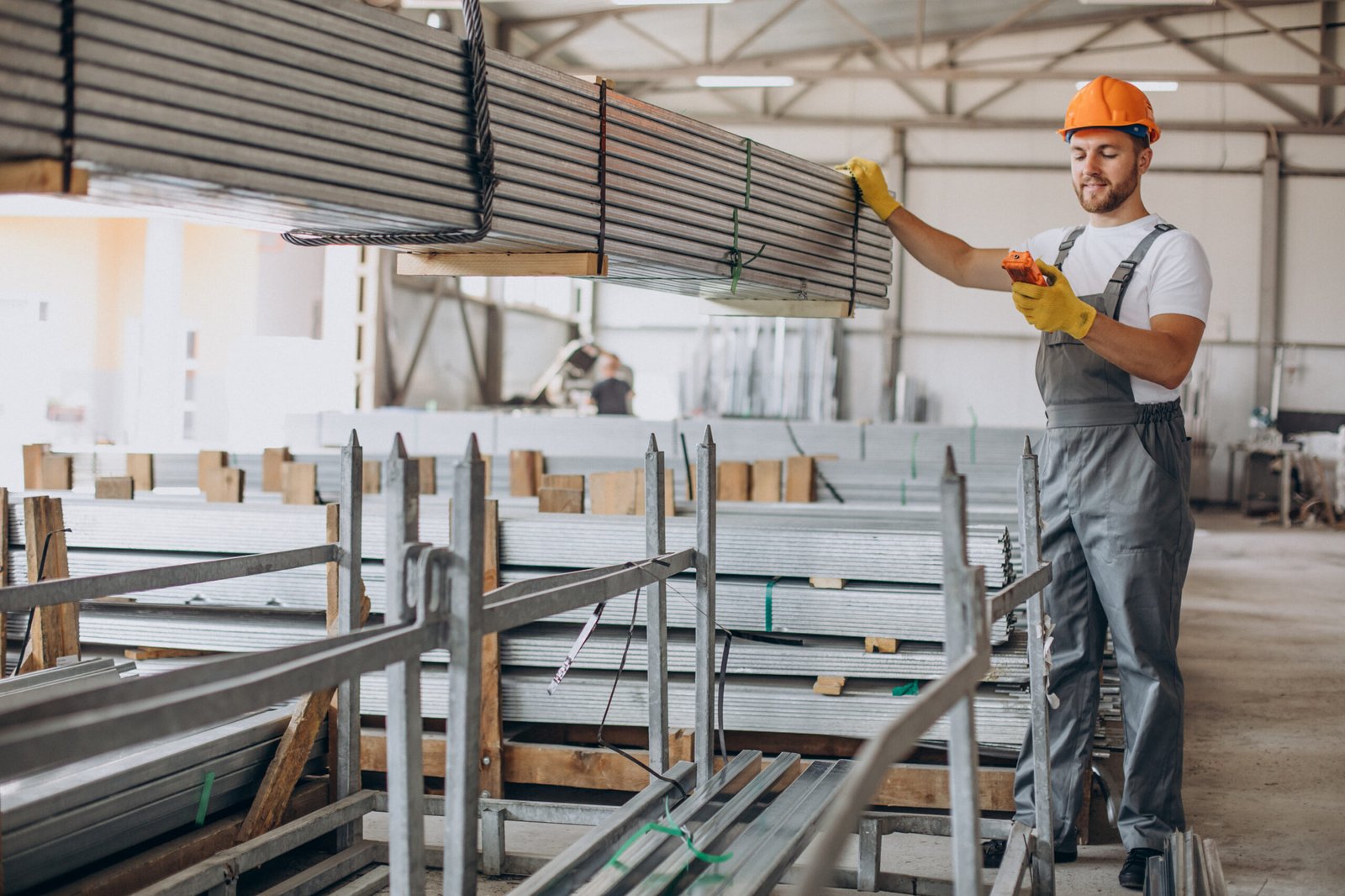
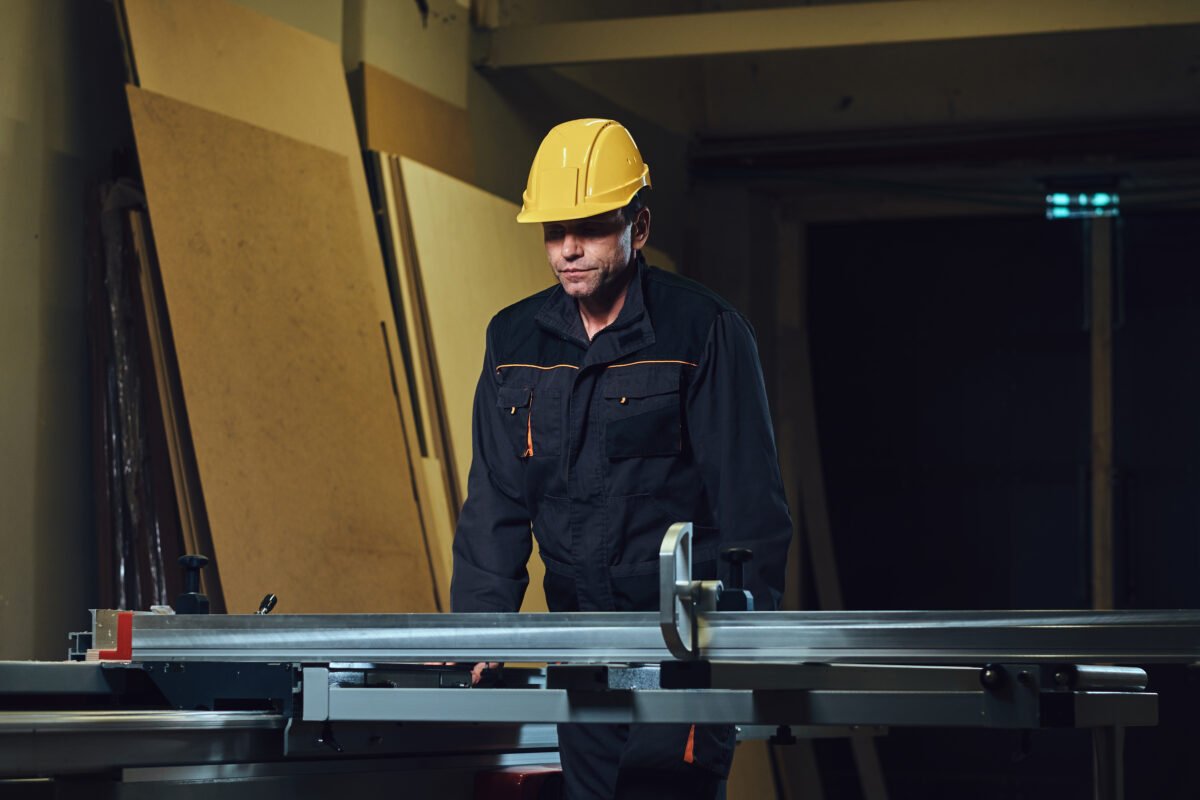
Workman at store house in orange helmet
Frequently Asked Questions (FAQs)
1. What should I look for in a sheet metal fabrication partner for industrial projects?
You should evaluate industry experience, in-house capabilities, quality standards, production capacity, and the ability to deliver customized solutions within agreed timelines.
2. Why is precision important in industrial sheet metal fabrication?
Precision ensures accurate fit, structural integrity, and consistent performance of components, reducing rework, installation issues, and long-term maintenance costs.
3. How do in-house fabrication capabilities benefit B2B projects?
In-house capabilities improve quality control, reduce lead times, lower dependency on third parties, and ensure better coordination across production stages.
4. Can a sheet metal fabrication partner assist during the design phase?
Yes, experienced fabricators often provide design and engineering support to optimize manufacturability, reduce costs, and improve product performance.
5. How does choosing the right fabrication partner impact project timelines?
A reliable partner with sufficient capacity and efficient processes ensures timely delivery, minimizes delays, and maintains consistency even for large-scale or repeat orders.